Local Expertise
A Common Problem in Memphis Neighborhoods
Fleas and ticks are a common problem in Memphis neighborhoods such as Germantown, Collierville, Bartlett, East Memphis, and surrounding areas, where warm temperatures, humidity, shade, and wooded edges create ideal habitats.
Our seasonal treatment plans are timed for peak flea and tick activity and use professional, pet-safe products applied by trained technicians.
How We Do It
Our Approach
Targeted High-Risk Area Treatments
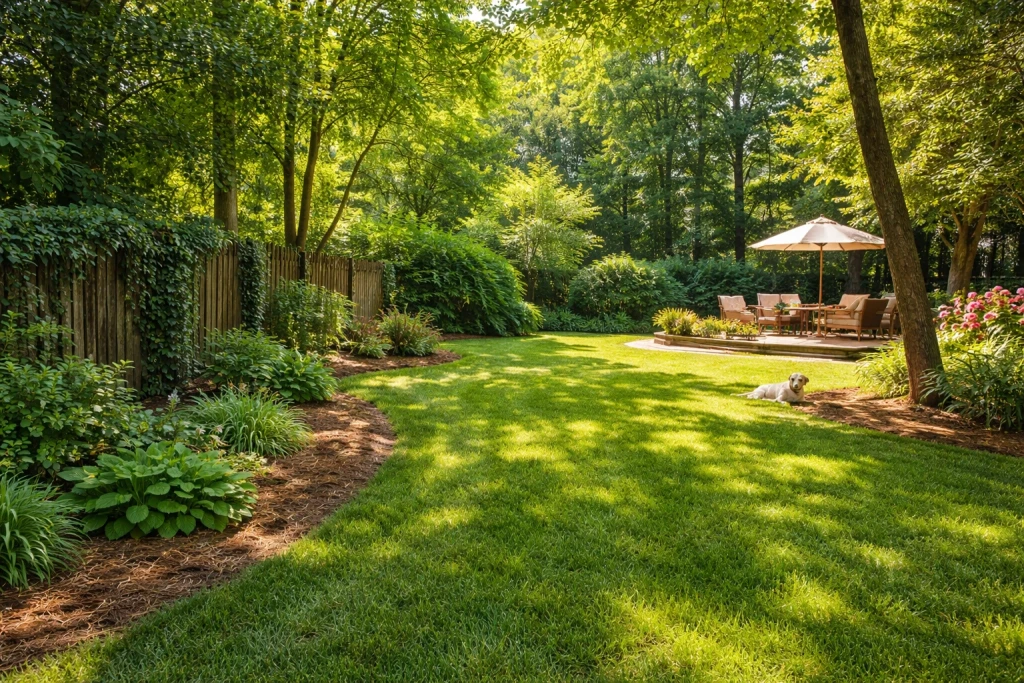
We apply treatments to lawn edges, landscape beds, fence lines, and pet activity zones — where fleas and ticks live and reproduce.
Seasonal Protection
Timed for peak flea and tick activity in the Memphis area, helping interrupt the pest life cycle and prevent reinfestation.
Pet-Safe Application
Applied by trained technicians using pet-safe products. Treatments are safe once dry.
The Ticks We Actually Treat
Three Tick Species You'll See in Memphis Yards
Most "tick prevention" content online is generic. The ticks actually active on Memphis-area lawns are three specific species — each with different behavior and risk profile:
- Lone star tick (Amblyomma americanum) — the most common and most aggressive biter in the Mid-South. Identified by the single white dot on the adult female's back. Associated with alpha-gal syndrome (red meat allergy) and Ehrlichiosis. Active April through October with a summer peak.
- American dog tick (Dermacentor variabilis) — the tick most commonly found on outdoor dogs. Larger than the lone star, with a patterned shield. Can transmit Rocky Mountain spotted fever.
- Black-legged tick / deer tick (Ixodes scapularis) — the species associated with Lyme disease, though Lyme is uncommon in Tennessee. Smaller than the other two. Most active in cooler months.
Where these ticks actually live on your property:
- Shaded lawn edges and fence lines (humid understory)
- Wooded borders and tree lines — the first 10–15 feet of your yard adjacent to woods is the hottest zone
- Under decks, patios, and porches (rodent-protected microhabitat)
- Landscape beds and ornamental plantings
- Pet resting and play areas (the tick's highest-probability host encounter zone)
Your Pets Matter
Protection That Works Alongside Pet Preventatives
Fleas and ticks are more than a nuisance — they can cause skin irritation and transmit diseases to pets. Even pets on veterinarian-recommended preventatives can bring pests into the yard.
Safari Lawn Care uses professional products applied according to label directions to ensure treatments are pet-safe once dry. Yard treatments work alongside pet preventatives to reduce exposure.

Common Questions
Frequently Asked Questions
How much does flea and tick yard treatment cost in Memphis?
Flea and tick yard treatments in the Memphis area typically run $65–$95 per visit. Most dog-owning households schedule 4–6 treatments from April through October. Bundling with mosquito service reduces the combined per-visit rate.
What ticks are common in the Memphis area?
Three species dominate: the lone star tick (most common biter, associated with alpha-gal syndrome), the American dog tick (frequent on outdoor dogs), and the black-legged / deer tick (less common in Tennessee, but the species associated with Lyme). Pressure peaks April through October.
Do yard treatments work if I have woods behind my house?
Yes — treatments target the transition zone where ticks move from woods into lawn. We focus on the first 10–15 feet inside your property line along any wooded border, plus shaded lawn edges and understory. For heavily wooded properties, we can pair yard treatment with tick tubes in rodent activity zones.
Are flea and tick treatments safe for pets?
Yes. All products are EPA-registered and applied by licensed Tennessee technicians. Once the spray dries (typically 30–60 minutes), the treated areas are safe for pets and children.
How long does one treatment last?
A barrier treatment typically provides 4–6 weeks of residual control. We schedule recurring service on a 4-week cycle during peak season (May–September) and stretch to 6 weeks in spring and fall when pressure is lower.
Do I still need yard treatment if my dog is on Bravecto or another preventative?
Yes. Pet preventatives kill fleas and ticks after they bite the animal — they do not prevent the pests from living in your yard or biting your family. Yard treatment reduces the population in the environment, which is what protects kids, guests, and pets from initial contact.
Does rain wash away treatments?
Once products have dried (usually within an hour), normal rainfall does not significantly reduce effectiveness. Heavy storms soon after application can shorten the residual window — we'll come back and re-treat if pressure rebounds faster than expected.